Select Sidearea

Populate the sidearea with useful widgets. It’s simple to add images, categories, latest post, social media icon links, tag clouds, and more.

hello@youremail.com
+1234567890

Bioenergy Europe Calls for Stronger Recognition of Bioenergy in the Revised Bioeconomy Strategy

Bioenergy Europe Calls for Stronger Recognition of Bioenergy in the Revised Bioeconomy Strategy

bioenergy in the revised Bioeconomy Strategy

Bioenergy in the Bioeconomy Strategy

As the EU prepares to update its Bioeconomy Strategy in October 2025, Bioenergy Europe is releasing a new position paper urging policymakers to ensure that sustainable bioenergy is fully integrated into the revised framework.

Bioenergy is already a cornerstone of the circular bioeconomy—delivering renewable energy, supporting rural economies, and making use of underutilised resources. To ensure the revised Strategy reflects the full potential of the sector, our paper outlines four key policy recommendations:


  1. Recognise bioenergy’s central role in replacing fossil fuels across heating, electricity, and industry—while promoting efficient feedstock use and delivering energy security, jobs, and climate benefits.
  2. Respect regional diversity by allowing flexibility for different infrastructure, energy needs, and biomass sourcing across EU Member States.
  3. Unlock untapped biomass potential through local biomass hubs, targeted mobilisation programmes addressing also agroforestry, and initiatives that protect ecosystems and prevent wildfires.
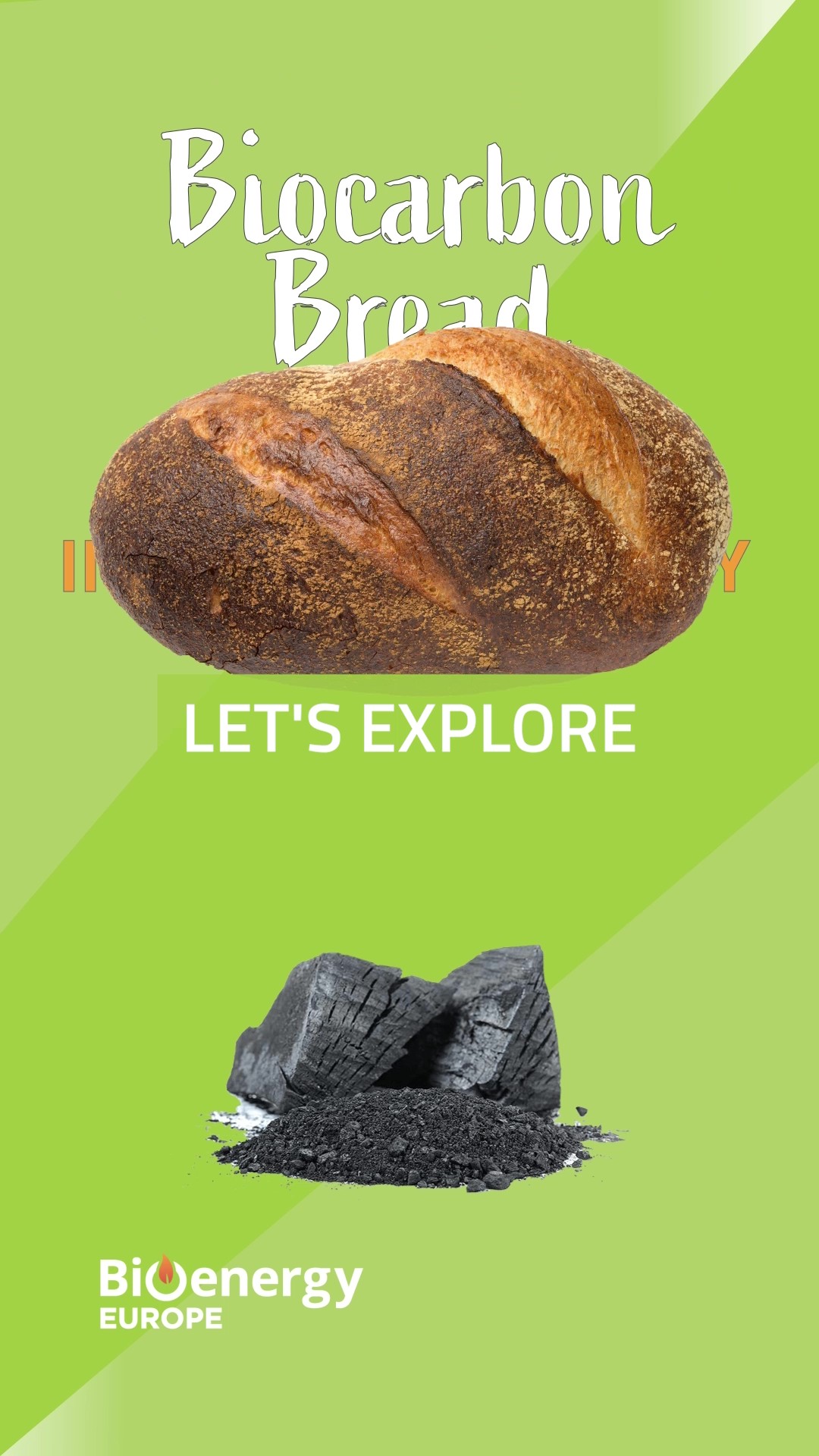
  4. Prioritise biogenic CO₂ over fossil CO₂ in industrial applications, recognising its key role in a short, closed carbon cycle that supports decarbonisation.


A successful Bioeconomy Strategy must reflect today’s renewable realities. Clear recognition of bioenergy’s contribution is essential for a coherent, resilient, and climate-smart EU policy framework.

1 Recipe 1 Bioenergy solution

The type of carbon we use matters. Biogenic CO₂, unlike fossil-based CO₂, is part of the short and closed carbon cycle. And can even deliver negative emissions when combined with bioenergy and carbon capture.

Deciding biomass final use isn’t simple. Economic impact, environmental sustainability, and citizens’ needs must all be considered.  That’s where polygeneration comes in.

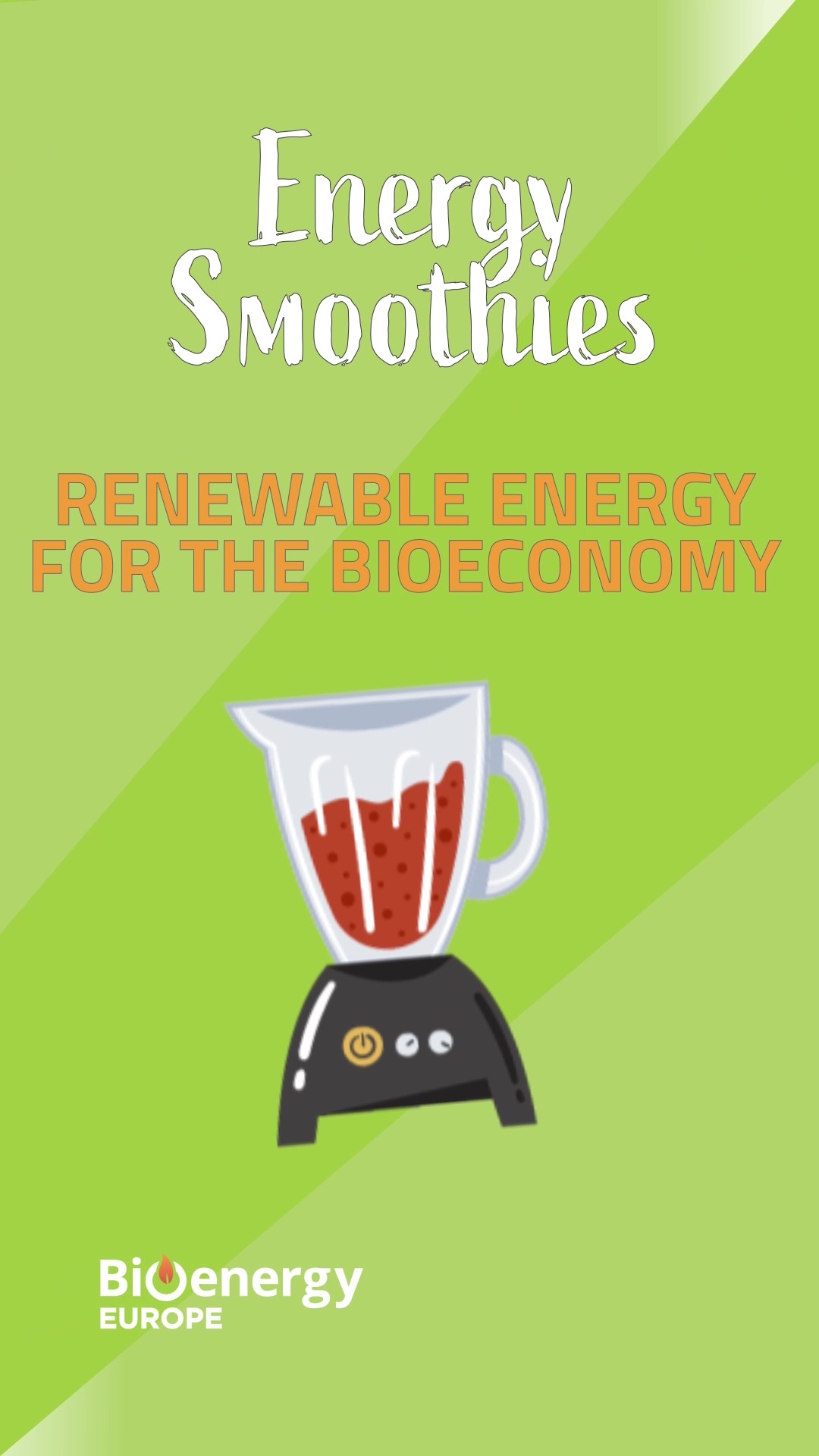
Bioeconomy is full of promise, but many energy-intensive processes are still powered with fossil fuels, which defeats its purpose. This is why Bioenergy is central!

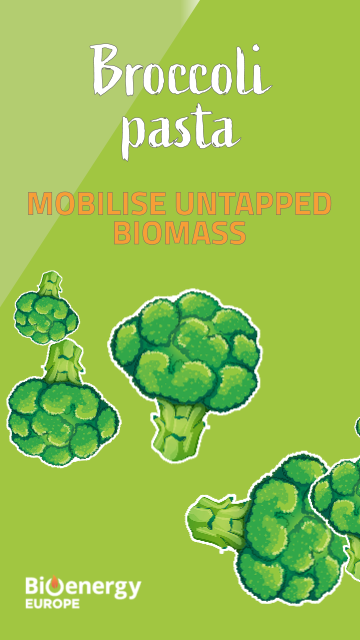
In the bioeconomy too many residues, by-products, and side streams never reach their potential. Instead of being valorised to produce energy, they’re left unused. Unlocking this hidden resource is essential.

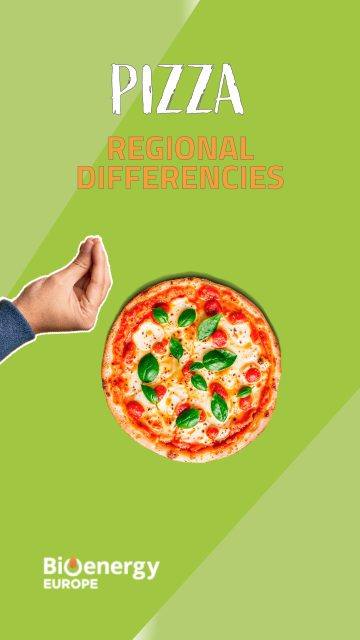
Each region has different resources, infrastructures, and energy needs. Policy should be flexible and respect regional choices.