New Report Highlights Key Role of Pellets in Defossilising Heating sector in Europe
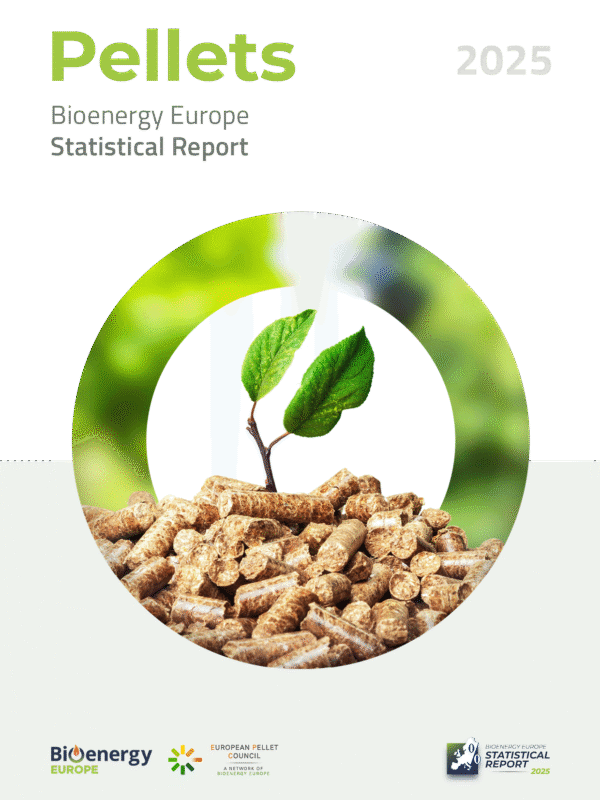
Brussels, 25 June 2025 – Bioenergy Europe released today its Pellets Statistical Report. The report covers the latest trends in global and European pellet production, consumption, trade, and the sales of pellet-based heating appliances. Global pellet production remained broadly stable in 2024 at 48,3 million tonnes, while global consumption exceeded 45 million tonnes for the first time. Despite some challenges, including a reduction in heat demand due to climate change, Europe remains the world’s largest wood pellet producing and consuming region by far.
Amid the broader trends, the report highlights the decisive factor of public support shaping the transition towards a defossilised heating system in Europe.
“The data shows that, where there is political will and clear financial support for installation of new appliances, renewable heat thrives” states Bioenergy Europe Market Intelligence Director, Jérémie Geelen, “Consumers need stability. Without consistent support schemes, even established markets can falter,” he added.
Stove and boiler sales across Europe in 2024 reveal stark contrasts depending on policy environment. Austria provides a standout example: after a severe dip in 2023, the introduction of new federal and regional subsidies in 2024 for the phasing out of fossil fuels triggered a market rebound.
In Poland, the Clean Air Program has proven instrumental in maintaining momentum. The program’s financial incentives have encouraged households to replace outdated systems, many of them coal-fired, with cleaner alternatives, supporting Poland’s transition to a more renewable heating system.
In contrast, Germany, Europe’s largest pellet appliance market, saw sales of heating systems based on renewable energy fall sharply for the second year running. This collapse mirrors broader uncertainty around Germany’s heating transition and shifting policy priorities. France tells a similar story, where frequent changes to the national energy policies in 2024 impacted consumer confidence.
Still, more than 5,6 million European households are estimated to rely on wood pellets for their heating needs, and much more when encompassing all types of biomasses like logs, briquettes, chips or biogas.
Certification Builds Confidence in Growing Market
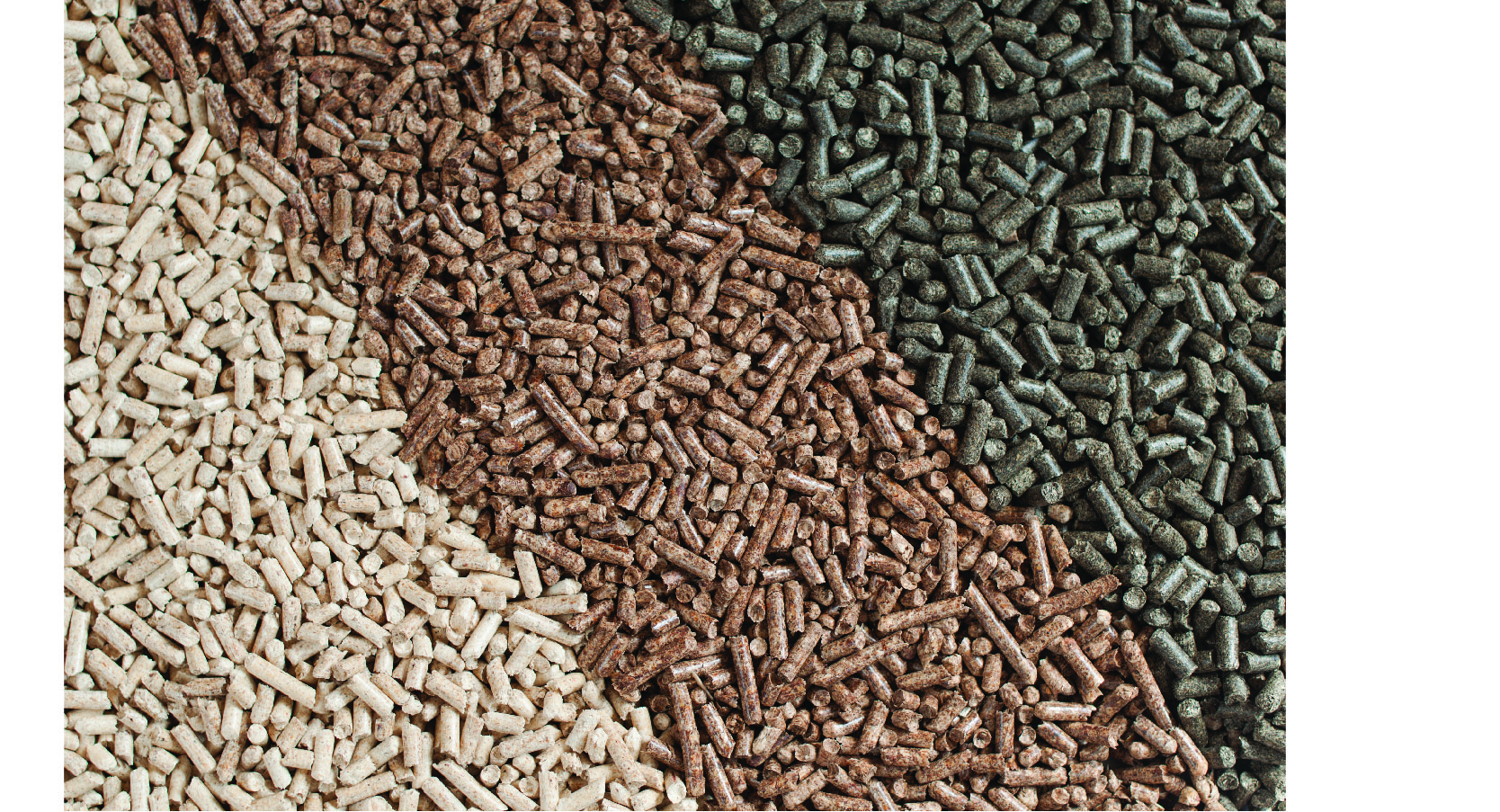
The quality of pellets is also playing a part in the energy transition by improving the efficiency of appliances and reducing emissions. The ENplus® certification scheme is raising the bar of quality pellets worldwide.
In 2024, ENplus® certified pellets were estimated to correspond to 75% of the European pellet heating market, and certified pellet traders handled a record 7,5 million tonnes, reinforcing ENplus®’s status as the leading global fuel quality certification system for wood pellets. Despite challenging market conditions, the number of ENplus® certified producers and traders increased to 686 and 608 respectively.
Bioenergy Europe calls on policymakers across Europe to ensure predictability and support renewable heating adoption. Pellet appliances are a proven, accessible solution to help meet the EU’s Heating and Cooling Strategy goals.