Polytechnik – Growing from a family – founded company Into a Global Sustainable Bioenergy Leader
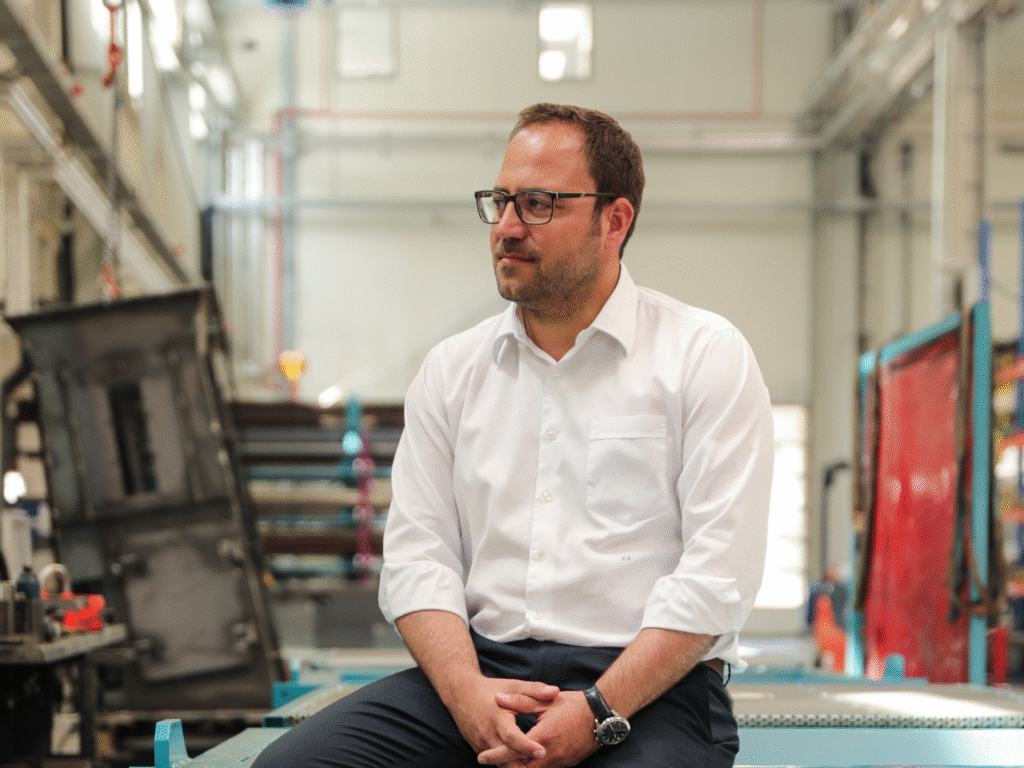
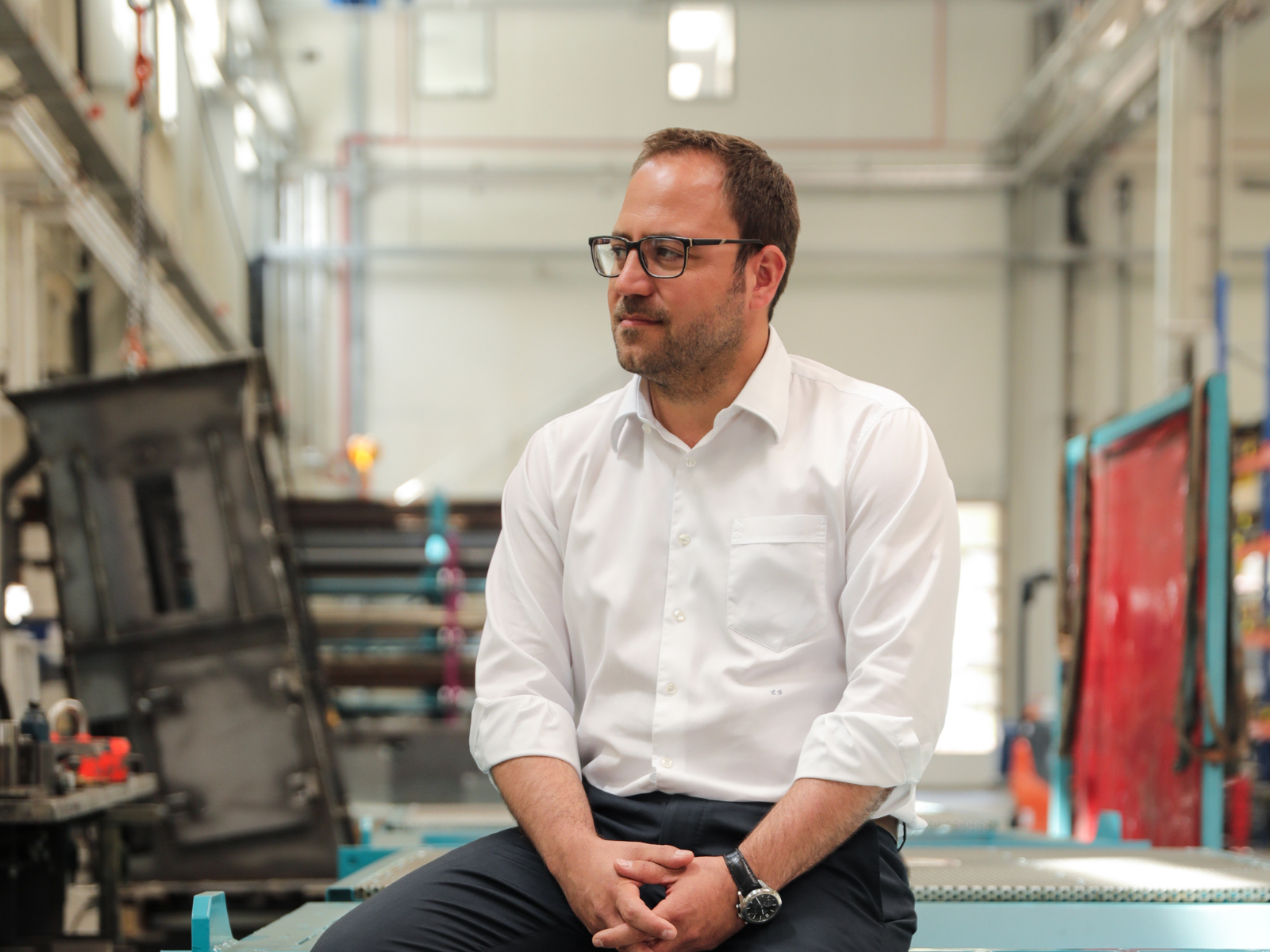
In the heart of Austria, a small workshop set up in 1965 by Leo Schirnhofer and Günther Höcker laid the foundation for what would become a global trailblazer in sustainable biomass solutions. Over the course of 60 years, Polytechnik, now led by a three-person team, including Leo’s son, Lukas Schirnhhofer, has grown into a powerhouse of innovation and international reach. Through unwavering commitment to environmental responsibility, cutting-edge technologies, and a passionate team of highly skilled employees , Polytechnik has helped shape the future of renewable energy. In this edition of Meet Our Members, we speak with Lukas Schirnhofer about the journey, the values, and the next chapter of this exceptional Austrian enterprise.
Let’s begin at the roots. How did Polytechnik get started?
Our story began in 1965 as a two-person operation in Weissenbach, Austria — and that’s still where our headquarters are today. From this small town, we’ve grown into a global leader with more than 3,000 systems completed worldwide. What started as a family ambition has evolved into a symbol of innovation in biomass combustion, gasification, carbonisation, and torrefaction technologies.
Your father, Leo Schirnhofer, founded Polytechnik. What was the company’s original mission, and how has it evolved?
For six decades, Polytechnik has been designing, manufacturing, and commissioning biomass cogeneration plants across the globe. Over the past 20 years, we’ve also led the charge in the development of advanced biomass technologies like gasification, carbonisation, and torrefaction. At our core, we’ve always focused on a single mission: transforming biomass residues into valuable energy and sustainable products.
What has your own journey been like?
I’ve dedicated my career to Polytechnik — the company built with vision and dedication. As the business grew and became more complex we have fostered these challenges with a new strong ownership structure and transitioned into a shared leadership model. Today, I work alongside two other managing directors as part of a collaborative leadership team that continues to steer the Polytechnik legacy toward new innovation and global relevance.
How is your team structured today, and what scale has the company reached?
The Polytechnik Group now employs around 240 people worldwide and has completed more than 3,000 projects. With operations spanning multiple industries and countries, our team is built on decades of expertise and a shared commitment to delivering sustainable, reliable solutions to companies of all sizes. That shared purpose — the one my father and his partner instilled in the early days — still guides us.
Can you walk us through the main technologies and services you offer your clients that set you appart?
Certainly. Our work is centered around three main areas:
- PolyCombustion:
We offer highly efficient push grate furnace systems that burn a wide variety of biomass types with minimal emissions and optimal fuel control. These range from 1 MW to 30 MW thermal output, and can be adapted for hot water, steam, or thermal oil systems. - PolyGasification:
Our PolyHeld technology delivers clean, efficient energy with outputs from 400 kW to 3 MW. In higher ranges, our Kombi Power System offers up to 20 MW thermal and 5 MW electrical capacity. These systems stand out for their fuel flexibility and remarkable energy efficiency. - PolyCarbonisation:
This newer unit focuses on biochar and biocarbon production through automated pyrolysis and torrefaction. With annual outputs of up to 25,000 tonnes (pyrolysis) and 60,000 tonnes (torrefaction) per line, we’re enabling clients to turn biomass into high-quality, storable carbon products — all within a closed, energy-efficient loop.
What makes your work especially relevant in today’s regulatory and environmental landscape?
Our growth is tightly aligned with international and national regulations promoting biomass utilization, environmental protection, and decarbonisation. We specialize in helping clients turn waste streams — like sawmill residues — into valuable energy, and we’re deeply invested in supporting the global transition to a carbon-neutral future. Our PolyCarbonisation technology alone contributes directly to 12 of the 17 UN Sustainable Development Goals.
What motivated you to join Bioenergy Europe?
We joined Bioenergy Europe to actively collaborate with likeminded organizations, share expertise, and advocate for sustainable bioenergy at the European level. As a family business rooted in long-term thinking, we believe partnerships and community are essential for meaningful transformation in our sector.
How does membership support your goals and industry engagement?
Being part of Bioenergy Europe provides us with crucial policy insights, market intelligence, and regulatory updates. This allows us to stay ahead of the curve, adjust our strategies accordingly, and engage directly with key stakeholders. These collaborations are fundamental to advancing sustainable energy solutions — and to fulfilling the values we’ve upheld for generations.
What’s next for your company? Any upcoming projects or innovations?
We’re pushing forward on all fronts — both internally, by optimizing and digitalizing our operations, and externally, by contributing to groundbreaking projects. One standout is the Taaleri/Joensuu Biocoal project in Finland, where we supplied core technology for a state-of-the-art torrefaction facility. This plant will produce 60,000 tonnes of torrefied briquettes annually from sustainably sourced forest residue — replacing fossil coal and significantly cutting emissions. It’s a perfect example of where our innovation and commitment can lead.