Exploring Europe’s Bioenergy Landscape: Key Insights from Bioenergy Europe’s Webinar
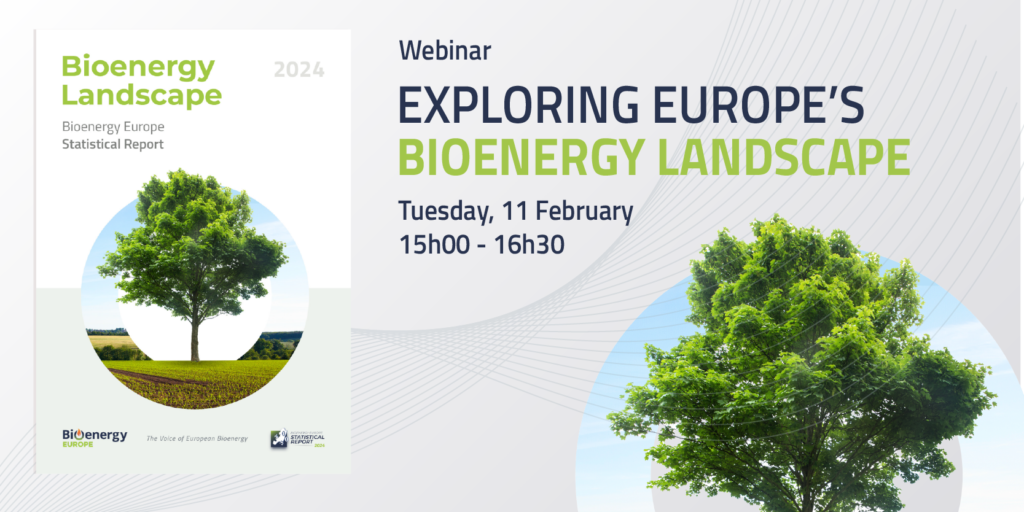
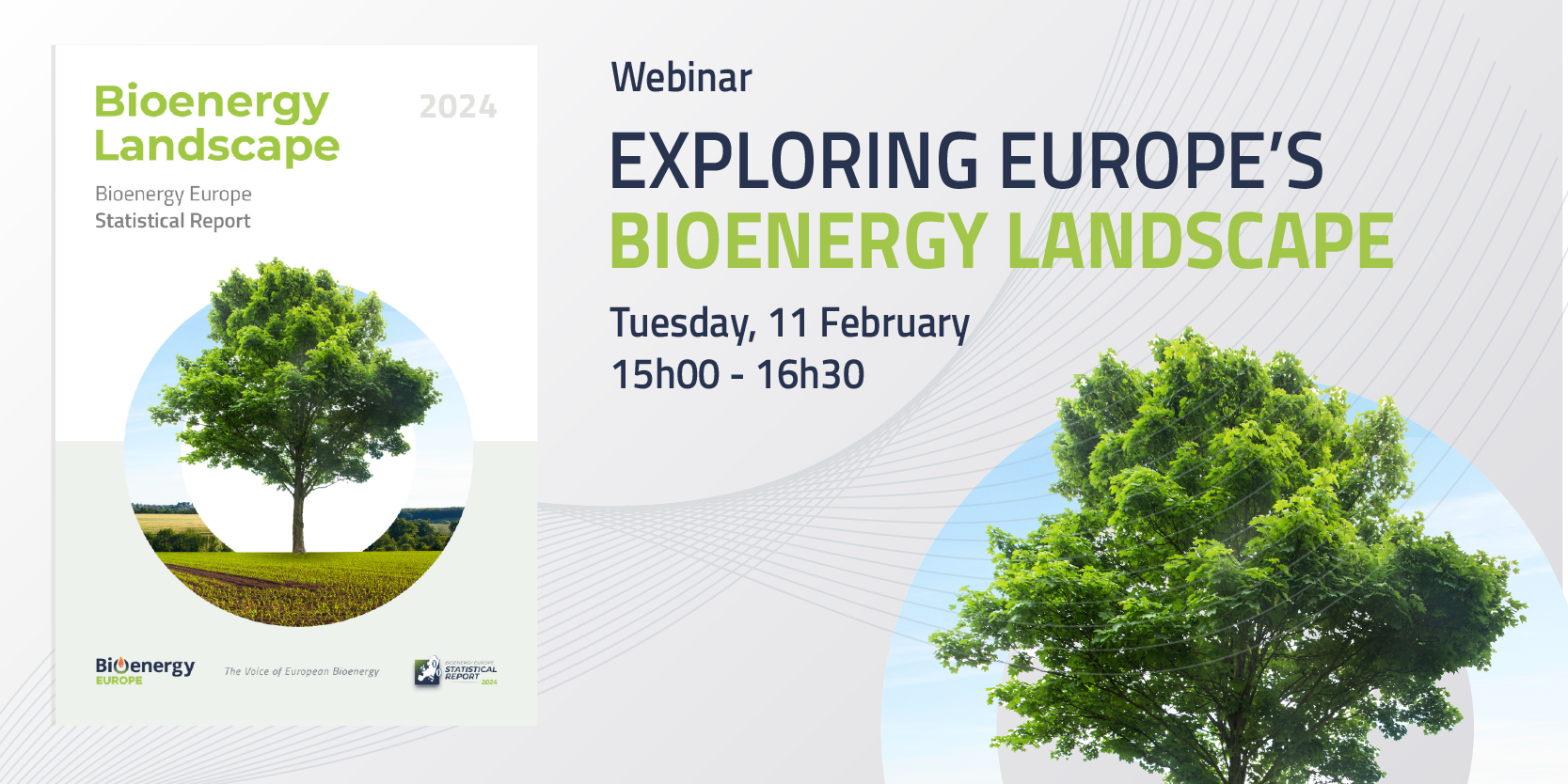
The "Exploring Europe’s Bioenergy Landscape" webinar provided insights into the role of bioenergy within the broader European energy mix along with an update on key EU policy files impacting the bioenergy sector. Hosted by Bioenergy Europe, the event showcased findings from the 2024 Landscape Report, offering a comprehensive look at the sector’s situation and future challenges.
Market Trends: Bioenergy’s Role in a Sustainable Future
During the webinar, Jérémie Geelen, Marketing Intelligence Director, and Jonathan Canon, Market Intelligence Junior Officer, presented the data and provided key perspectives to help participants interpret and navigate the information:
- Heating keeps on dominating Europe’s energy demand, making bioenergy a key solution to defossilise the EU energy mix.
- The local nature of bioenergy is helping the EU to reduce its reliance on fossil fuel imports and strengthen EU energy independence.
- Electrification and bioenergy are complementary, not competing, both necessary to meet the EU’s climate and energy goals.
- Bioenergy remains essential for lower-income households, offering local, affordable and renewable heat solutions.
- Europe’s forests have expanded over the past 25 years, but face increasing climate-related disturbances, requiring active management to ensure their long-term resilience and sustainable biomass supply.
EU Policy: Shaping Bioenergy’s Future
Irene di Padua, Policy Director, provided an update on key EU policy affecting bioenergy. She presented the role and importance of bioenergy sustainability criteria in the Renewable Energy Directive (REDIII) and the impact that the EU Deforestation Regulation (EUDR) will have on the sector. She also explained bioenergy’s contribution to carbon sequestration in the context of the Carbon Removal & Carbon Farming Certification Regulation (CRCF). Finally, she gave an overview on the ongoing revisions of Ecodesign & Energy Labelling Regulations which set efficiency and emissions standards for biomass heating technologies.
She also emphasised that regulatory clarity is critical for economic growth, highlighting both opportunities and challenges within the evolving policy landscape.
Conclusion
The data presented underscored that bioenergy remains indispensable to Europe’s renewable future, offering energy security, decarbonisation, and economic benefits. Policy stability and sustainable resource management remain essential to unlocking its full potential. As Europe accelerates its energy transition, bioenergy will continue to play a central role in building a competitive, sustainable, and resilient energy system.